
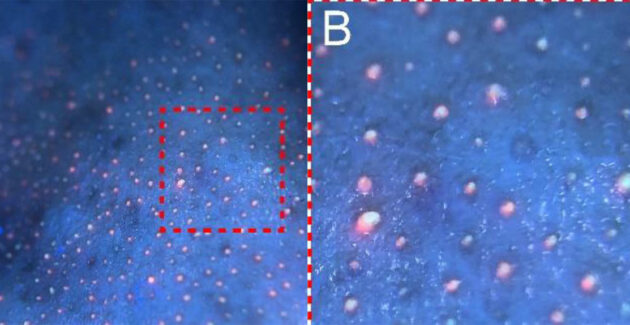
In the absence of real innovations in smartphones, I wouldn’t be surprised if a crazy manufacturer implemented a new method developed by researchers at the University of Washington – one that we can detect how many bacteria are in the mouth and skin.
The team led by Professor Ruikand Wang adapted the smartphone camera by adding black-light LEDs capable of highlighting various bacteria (after applying a specially created processing filter).
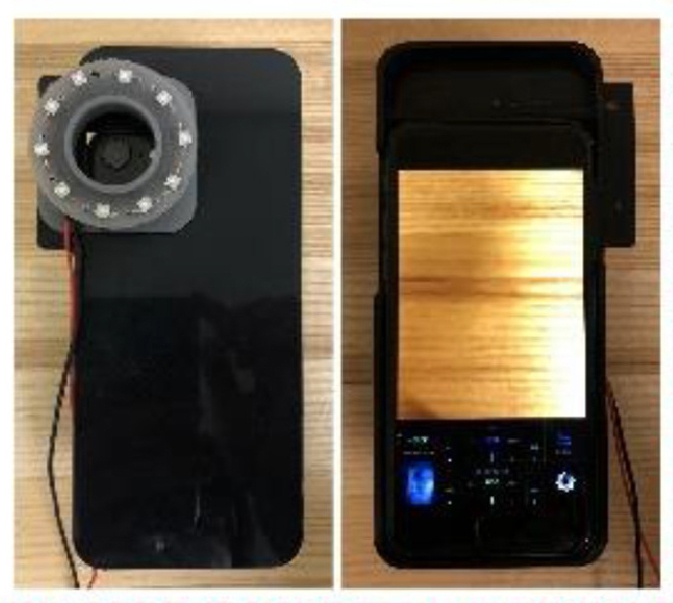
To make it easier to understand what these researchers have done, consider checking banknotes with a fluorescent light. And in this case we have a similar principle, some bacteria become radioactive when placed under a special light (black light). Basically, the image sensor in a smartphone can be “learn” to recognize these bacteria with the help of special LEDs.
Researchers at the University of Washington warn that their method cannot replace a medical diagnosis, but it can help prevent conditions such as gingivitis, acne, etc.
At first glance, it seems to me an almost useless find, but with well-thought-out marketing, it can attract many curious people.
Source: go4it.ro

Emily Dickinson is a contributor at TechNewsInc, covering news, politics, business, technology, sports, entertainment, and lifestyle. She is dedicated to delivering clear, informative reporting on current affairs and emerging developments, providing readers with relevant stories and useful insights in a straightforward and accessible manner.