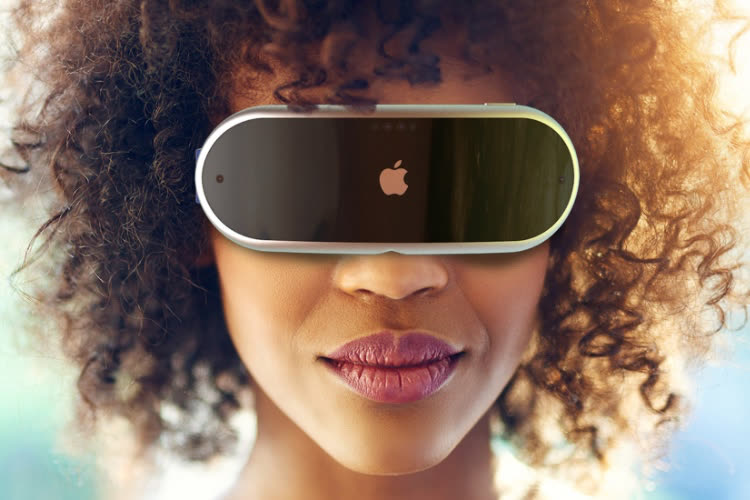
In 2017, Apple launched its attack on augmented reality: iOS 11 opened the first version of ARKit, the “toolbox” from which developers derive the design of their augmented reality “experiences”. Since then, the manufacturer has continued to improve its API, which is in version 4.
Whenever he gets the chance, Tim Cook rewrites this technology (latest example is in This interview The The New York Times). But if the enthusiasm is still on the side of Cupertino, on the side of the users, then the attraction has lost its power. The main drawback is not the technology itself, but how to use it.
This article is intended for iGen Club members
IGen Club is:
Exclusive items
No ads
Le Panic Kernel Podcast
Unparalleled reading comfort
This article is intended for iGen Club members
Join the largest French-speaking Apple community and support the work of our independent editorial team. IGen Club is:
Sylvia Plath is a contributor at TechNewsInc, covering news, politics, business, technology, sports, entertainment, and lifestyle. She focuses on delivering clear, accurate reporting and useful information on current affairs, helping readers stay informed through relevant stories, emerging trends, and developments that matter to a broad audience.
<p class="sign">Sylvia Plath is a contributor at TechNewsInc, covering news, politics, business, technology, sports, entertainment, and lifestyle. She focuses on delivering clear, accurate reporting and useful information on current affairs, helping readers stay informed through relevant stories, emerging trends, and developments that matter to a broad audience.</p>